Author name: Gidi Africa

Travels and Tours

The Rise of the ‘Bleisure’ Traveller and What It Means for Africa

The line between business and leisure travel has beautifully blurred, giving birth to the ‘bleisure’ traveller—someone who seamlessly blends work trips with leisure experiences. This isn’t just about adding a weekend to a conference trip. It’s a fundamental shift in how professionals view travel, and it presents a golden opportunity for destinations across Africa. Today’s business traveller often seeks authentic cultural immersion alongside their meetings. They might extend their stay to go on a safari, explore local historical sites, take a cooking class, or simply unwind in a stunning natural setting. They are looking for destinations that offer both a robust business infrastructure and unique, memorable experiences. For African nations and cities, this is a call to action to showcase our dual strengths. It means promoting our growing conference facilities, reliable connectivity, and business hotels alongside our unparalleled wildlife, rich history, vibrant arts scenes, and breathtaking landscapes. A executive can close a deal in Lagos or Nairobi and then spend days exploring, contributing significantly to local tourism economies. Tour operators and hotels are adapting by creating tailored “bleisure packages.” These might include efficient airport transfers, recommendations for after-work cultural spots, or organised short tours that fit around a work schedule. The message is clear: “We support your work goals and enrich your personal journey.” By embracing the bleisure trend, Africa can position itself not just as a business destination, but as a continent that offers a complete, enriching, and transformative travel experience.
Building Construction

Building Smarter, Not Just Harder: The Quiet Revolution on Site

When you picture a construction site, you might still imagine piles of paperwork, constant rework, and delays caused by missed deliveries or weather. But a quiet revolution is sweeping the industry, one that is making building projects faster, safer, and less wasteful. This isn’t about flashy robots (yet), but about smarter processes and better communication. The heart of this change is a move towards integrated planning and digital tools. Imagine a detailed 3D digital model of a building being created before a single brick is laid. This allows architects, engineers, and builders to spot and solve potential clashes—like a pipe running through a beam—on a screen, not on the expensive, time-pressed site. This simple shift prevents costly mistakes and rework. Furthermore, project management software is bringing unparalleled clarity. Everyone from the project manager to the subcontractor can now access real-time updates on schedules, material deliveries, and task completion from a smartphone. This transparency means fewer delays, less confusion, and more accountability. A delivery truck arriving exactly when needed saves hours of idle worker time. This smarter approach also champions sustainability. Precise material ordering reduces waste. Better planning minimises the need for heavy machinery to double-handle materials, saving fuel. It’s a win for the project timeline, the budget, and the environment. The future of construction isn’t just about stronger materials; it’s about stronger, clearer, and more collaborative thinking from the ground up.

Real Estate

The Nigerian Dream, Redefined

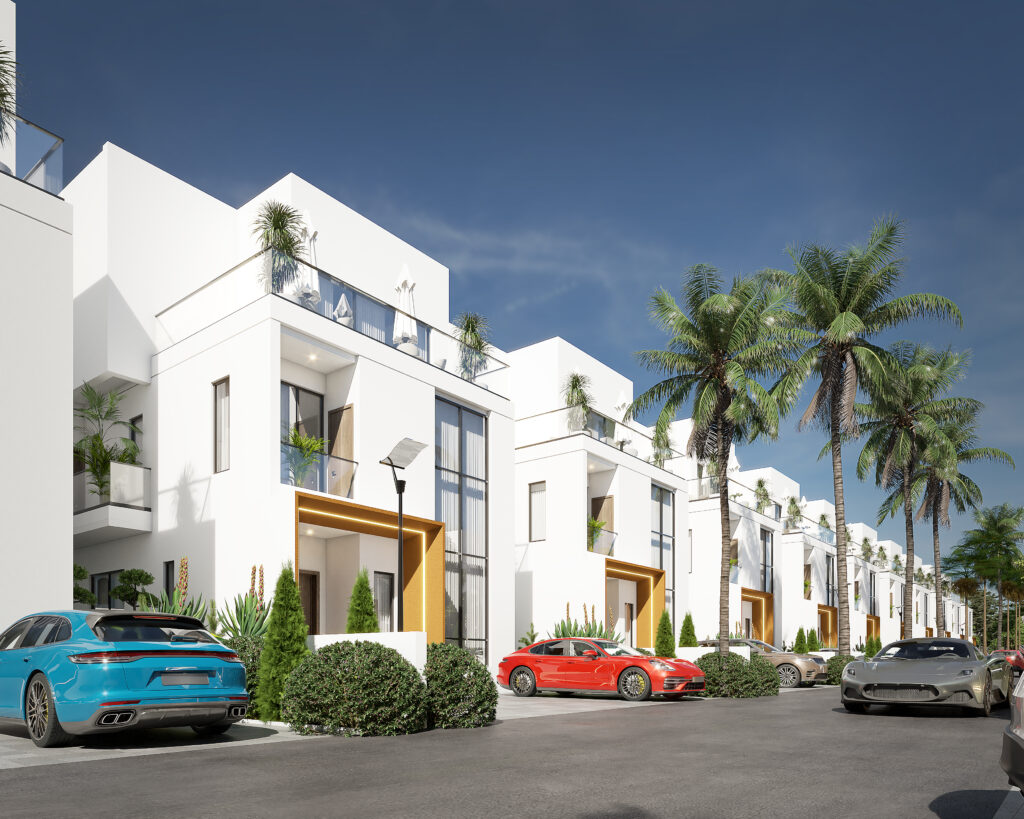
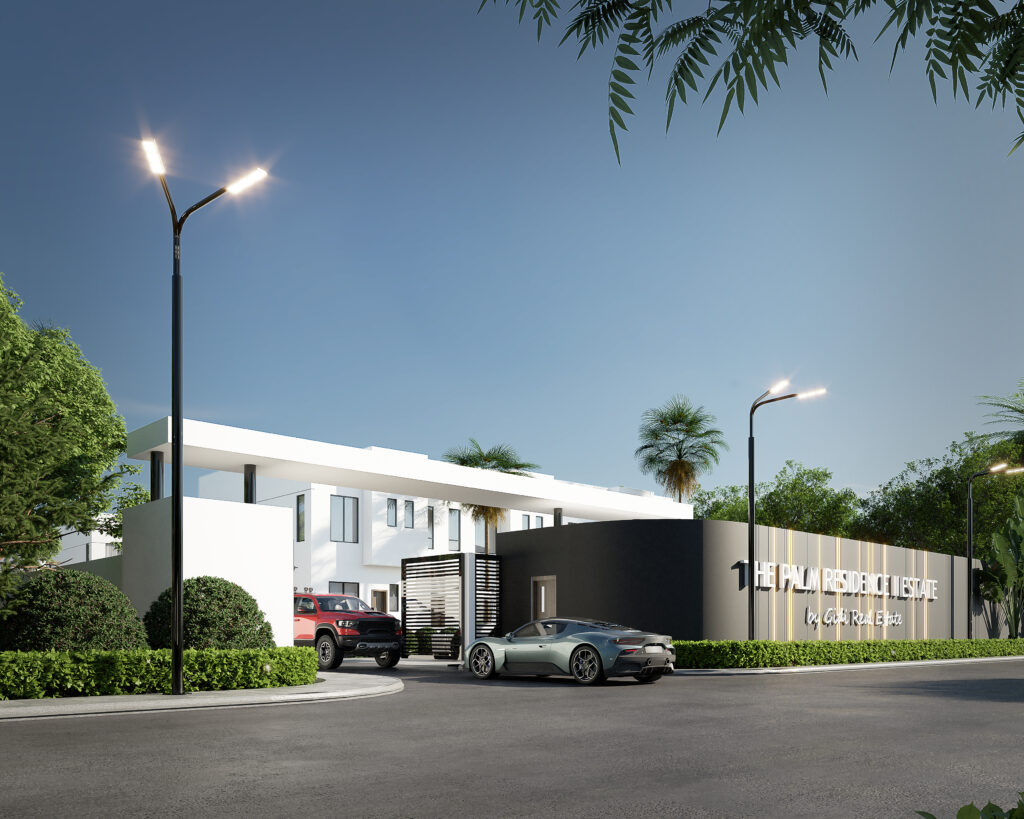
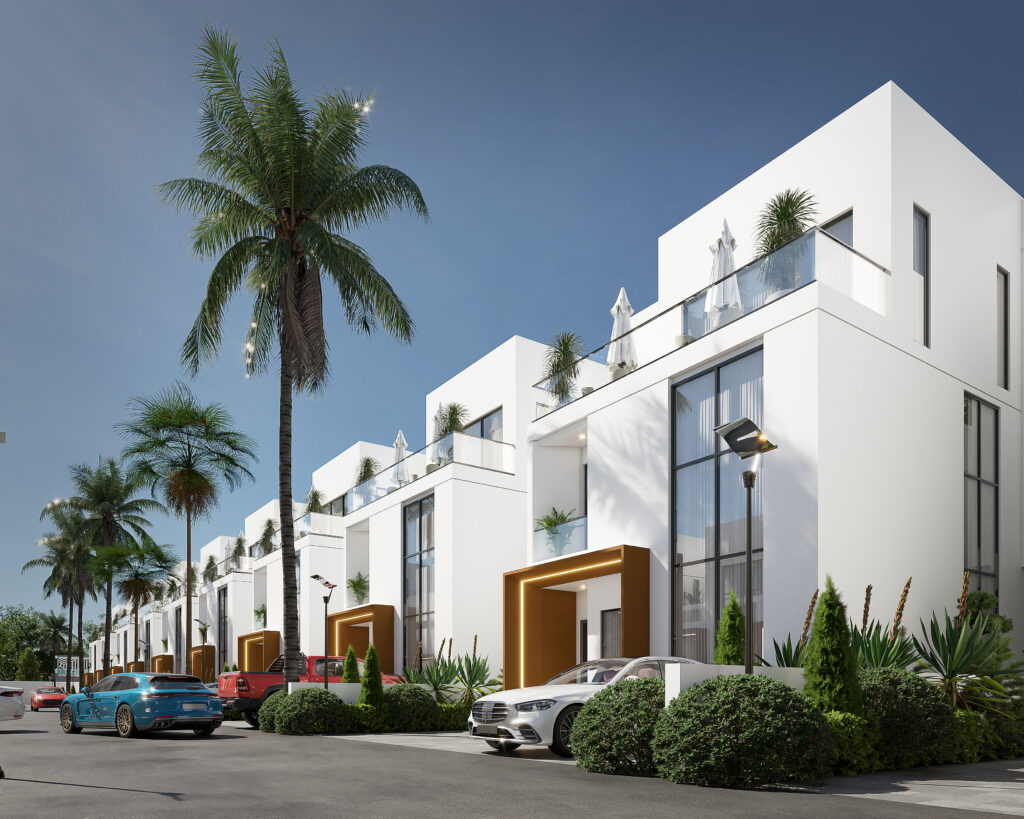
  For generations, the “Nigerian Dream” has been intimately tied to land and property—a tangible symbol of success, security, and legacy. But today, that dream is undergoing a exciting transformation. It’s no longer just about owning four walls and a roof; it’s about the life that happens within and around those walls. The modern Nigerian homeowner, investor, and tenant are looking for more. They are looking for experience. This shift is redefining our cities and suburbs. We see it in the rising demand for properties that offer a complete lifestyle package. Think about it: a new residential development isn’t just selling apartments; it’s selling convenience with on-site retail shops, selling community with shared green parks and playgrounds, selling well-being with gyms and swimming pools, and selling security with integrated systems and management. This is the new benchmark. For real estate developers, this means moving from being mere builders to becoming curators of community. It’s about understanding that people aren’t just buying a house; they are buying a shorter commute, a safer environment for their children, a place to connect with neighbours, and a sense of belonging. The value is now in the ecosystem, not just the structure. This evolution also presents a massive opportunity. By creating these holistic spaces, we are not only meeting a market demand but actively enhancing quality of life, reducing urban stress, and building more sustainable, connected neighbourhoods. The future of Nigerian real estate is vibrant, integrated, and human-centric. It’s about building homes where lives can truly flourish.

Have a Blueprint for the Future?

Let's Build it Together

Our philosophy is built on a simple, powerful principle: the whole is greater than the sum of its parts. 

2026 @ Gidi Africa | All Rights Reserved

Scroll to Top